

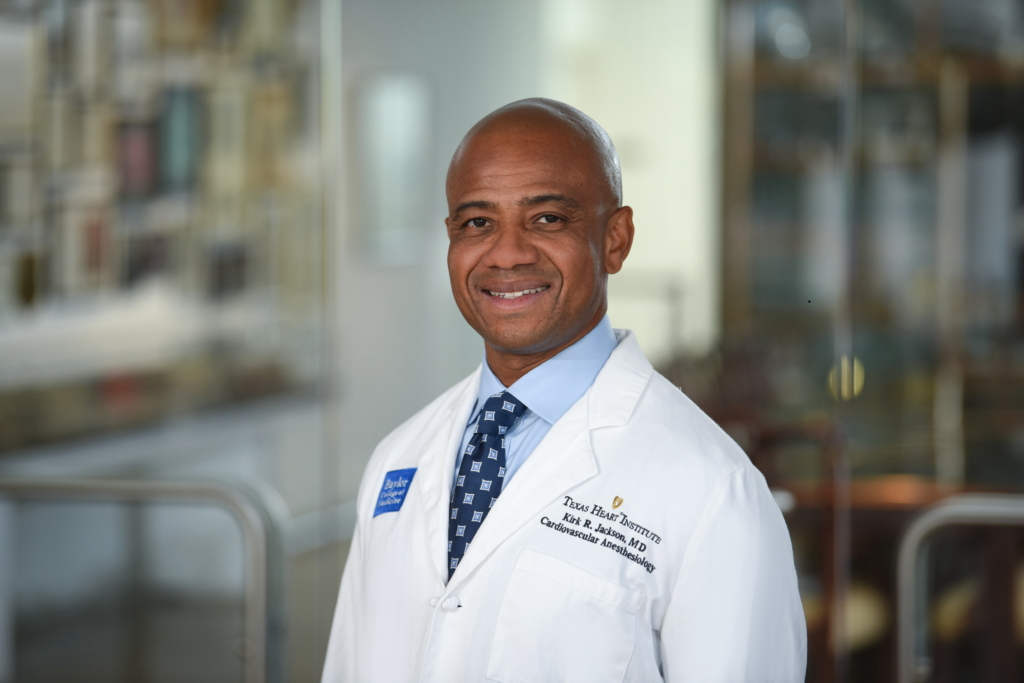
At Baylor College of Medicine, the admissions process is highly selective. Each incoming class reflects not only academic excellence but also the character and commitment that define the future of medicine. We spoke with Kirk Jackson, M.D. ’11, MBA, assistant dean of Admissions, and a Baylor alumnus, about what makes Baylor’s incoming students stand out and what that means for families.
Q: Tell us about yourself – where you are from, and how did you end up at Baylor?
A: I am originally from New Orleans and attended Millsaps College, a small liberal arts college in Jackson, Mississippi. After my freshman year, I participated in a month-long summer program at Baylor College of Medicine and Rice University. During that month, I took Anatomy & Physiology at Baylor and shadowed an anesthesiologist at MD Anderson Cancer Center. That experience solidified my decision to become a physician and made Baylor my top choice for medical school. When I received the call that I was accepted, my decision was easy.
I am now a cardiovascular anesthesiologist and assistant dean of Admissions at Baylor. I am also married to one of my medical school classmates (who is also a Baylor anesthesiologist). It is safe to say that choosing Baylor was one of the best decisions of my life!
Q: It’s no secret that Baylor College of Medicine is highly competitive. What does it mean for students to be selected?
A: Baylor College of Medicine is one of the most competitive medical schools in the country, and we have the privilege of training some of the brightest and most accomplished students in the nation. What continues to impress me is that Baylor students are far more than outstanding test-takers.
Our students have dedicated hundreds (if not thousands) of hours giving back to underserved populations, researching in labs across the U.S. and volunteering in healthcare facilities around the world. They are leaders on their campuses and in their communities. Being accepted to Baylor reflects excellence across many dimensions and speaks to a student’s intellect, character and commitment to others.
Q: From your perspective, what qualities continue to define Baylor students throughout their training?
A: I believe Baylor students are defined by their compassion, humility and commitment to serving others. Many of our students have founded nonprofit organizations, mentored younger students and dedicated time to underserved communities both locally and globally. A willingness to serve and advocate for others is at the heart of what makes an exceptional physician. I am proud to be part of a community where those values are lived out every day.
Q: As both a Baylor alumnus and faculty member, what makes this community unique?
A: The people are what make the Baylor community truly special. Across both campuses and at every level, Baylor is defined by individuals who are kind, supportive, collaborative and welcoming. From my very first day on campus, I felt at home.
I recently attended my 15-year reunion and had the opportunity to reconnect with classmates from across the country. Throughout the weekend, I repeatedly heard the phrase, “Baylor is special.” I believe that sentiment is reflected in the number of alumni who choose to stay at Baylor for residency and fellowship, as well as the many who remain as faculty.
Q: How do you see families playing a role throughout the medical school journey?
A: Medical school is fun and rewarding, but also incredibly demanding. Students are building friendships and adapting to a new environment, all while managing a rigorous workload and trying to determine what specialty is right for them. Having a strong support system during that process is invaluable.
Families play an essential role by providing encouragement, perspective and, at times, simply being a trusted sounding board. Personally, I still remember the early morning phone calls I made to my mom during clinical rotations. Those conversations helped carry me through some very challenging weeks. While students may not say it enough, they deeply appreciate the unwavering support of their families throughout this journey.