

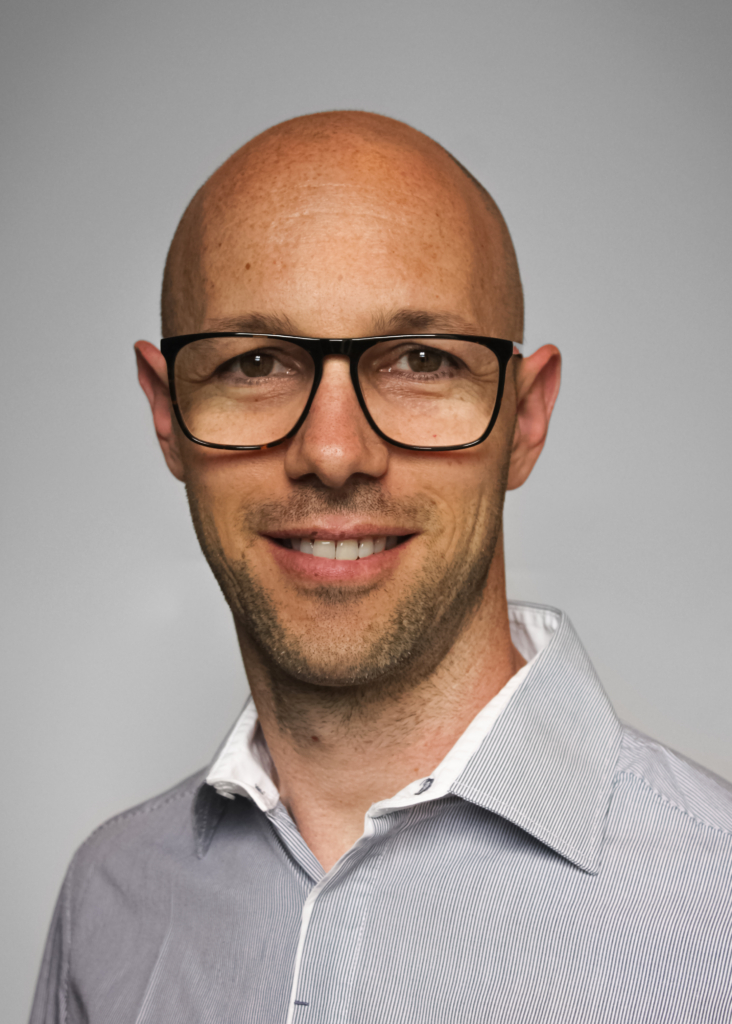
Few experiences shape a medical student’s first year like anatomy does. It is rigorous, immersive and, often, the moment when the study of medicine becomes real for students. We spoke with Adi Pinkas, Ph.D., medical director of the Anatomy Education Core and Willed Body Program, about guiding students through this milestone and what families can expect them to carry forward.
Dr. Pinkas explained how, at Baylor, students learn alongside “silent teachers”—donors from all walks of life who elect to donate their bodies to science through the Willed Body Program. Baylor faculty members emphasize the responsibility these gifts confer onto students, who honor such donations through thank-you notes, white roses and the annual Donor Honor Ceremony.
The Anatomy Lab is just the beginning. Your student may return to the Anatomy Lab throughout their career to deepen their understanding or refine procedural skills before working with patients.
Read More About Dr. Pinkas in our Q&A:
Q: Tell us a little about yourself. Where are you from, and how did your path lead you to Baylor College of Medicine?
A: I completed my postdoctoral fellowship at Albert Einstein College of Medicine in New York, where much of my career developed. I’ve also taught at Columbia, Cornell and CUNY. I joined Baylor in January 2025 as the anatomy director.
What has always drawn me to anatomy is that it sits at the intersection of science, medicine and humanity, and it is often the very first experience in which students begin to think and act like physicians. Baylor’s strong educational mission, collaborative culture and commitment to integrating foundational science with clinical relevance made it an exciting place to continue this work.
Q: What makes the way Baylor teaches anatomy distinctive?
A: Baylor pairs hands-on learning with clinical relevance from day one. Students aren’t just memorizing structures. They’re learning how anatomy explains function, disease, imaging and patient care. We integrate medical imaging, ultrasound and 3D visualization tools alongside traditional dissection.
Just as defining is how the culture, respect, curiosity and collaboration shape the lab. Our donors are viewed not as specimens but as teachers who make medical education possible.
Q: What do you want families to understand about what their students are experiencing?
A: The course is academically demanding, but the experience goes far beyond anatomy itself. For many students, this is the first time they confront the human side of medicine so directly. They develop resilience, professionalism, empathy and teamwork, traits that will shape the physicians they become.
The work is intense, but students are well supported by faculty, peers and the broader Baylor community. Many finish with deep gratitude toward their donors and toward the people supporting them at home.
Q: Is there a moment that captures what makes teaching at Baylor special?
A: What stays with me is watching students transition from uncertainty to confidence over the first weeks in the lab. Early on, many feel intimidated by both the complexity and the emotional weight of working with a donor. Then something remarkable happens—they begin helping one another, asking deeper questions and approaching the donor with growing professionalism. You can almost see the physician beginning to take shape.
Q: What role can families play in supporting students through the first year?
A: Understanding matters most. The first year is exciting but often overwhelming. The most meaningful support is usually the simplest: patience, encouragement, listening without judgment and reminding students to maintain balance. Growth in medicine is gradual, and a strong support system at home makes an enormous difference.
Q: What are you most excited about in medical education right now?
A: The integration of medical imaging, point-of-care ultrasound and interactive tools is connecting anatomy to clinical practice earlier than ever. At the same time, the goal is to preserve what makes anatomy uniquely human. Technology should enhance—not replace—the reflective and professional experiences of the lab. Ultimately, we’re not just helping students learn anatomy more effectively. We’re helping them become compassionate, thoughtful physicians.