

Carrying the Baylor legacy forward
Q: Can you share a bit about your background and what led you to your current field of study?
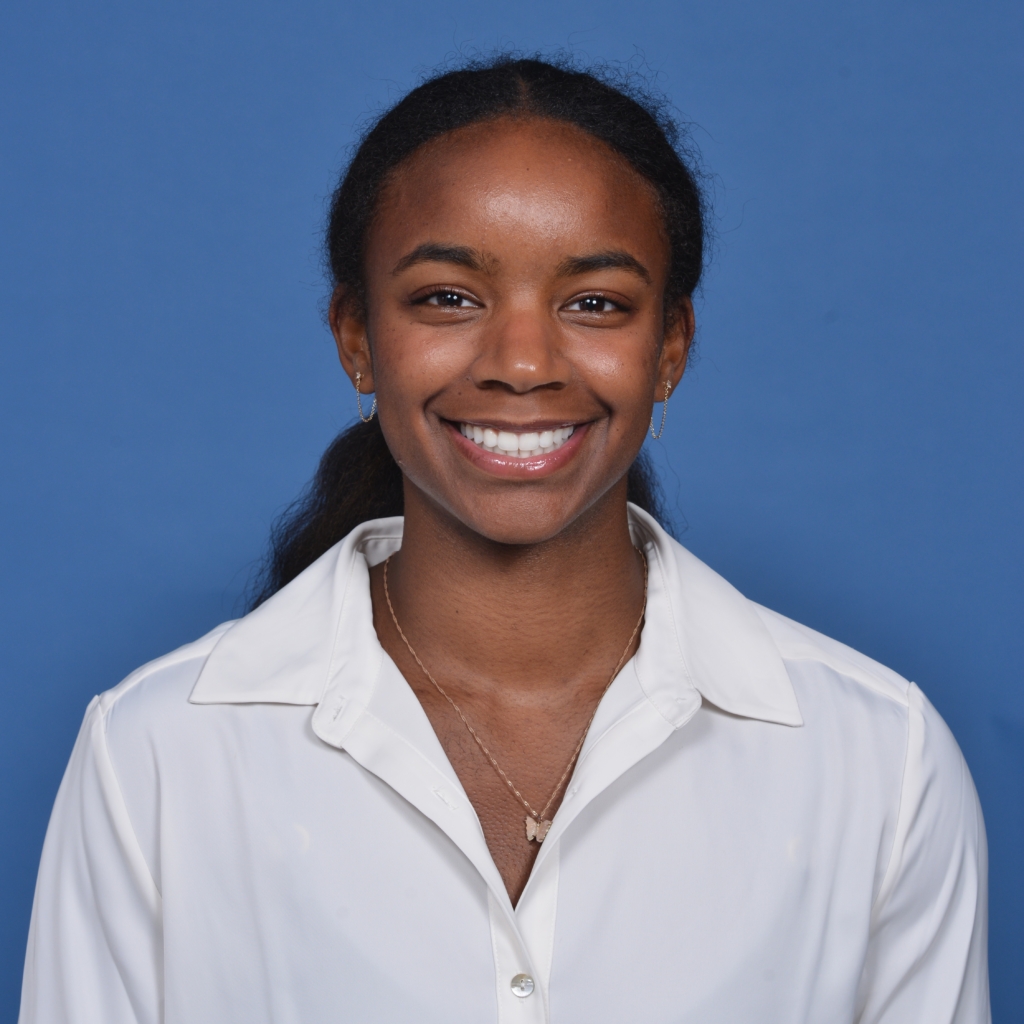
A: I always had an interest in science and human physiology, but my passion for nutrition led me closer to medicine. As I began my degree in nutritional sciences, I started to learn about the deep connection between nutrition and health that many people at the time neglected. I learned more about various diseases and chronic illnesses that were heavily impacted by diet and lifestyle. This drove me to learning more about the various conditions and how I might have a role in prevention and treatment. As I started exploring a career in medicine through the Summer Health Professions Health Program and my participation in the Texas Joint Admission Medical Program, I started to see myself as a future physician.
Q: What inspired you to pursue a career in medicine, and why did you choose Baylor College of Medicine?
A: When I decided to pursue medicine, I knew the school I would go to would shape the type of doctor I would later become. I looked for schools that cared for and supported their students, rooted for their success and prepared them for the difficulties of the medical field. I also valued who I would spend the next four years with. Baylor had a welcoming community with faculty that listened to student concerns and actively worked to make appropriate changes when they were needed. I met upper classmen that shared their fun experiences meeting their forever friends and learning from exceptional physicians. Baylor felt like a community that I would be proud to call the home of my medical degree.
Q: What are your main academic and research interests at Baylor College of Medicine?
A: As a medical student, I am always looking for ways to pursue my passions through service and research. With a passion for nutrition and sports, I aim to take on projects that reflect this. I volunteer at a nutrition-education-based site where a few other students and I visit a low-income primary and secondary school to teach students how to prepare simple meals for themselves and what nutrients they can receive from the different meals.
Q: Can you describe a memorable experience or achievement during your time at Baylor that has had a significant impact on you?
A: Baylor College of Medicine’s Orientation Retreat was a very memorable experience during my time here. Though early in its course, the retreat set the tone for my next four years of medical school. I was able to connect with my peers outside of medicine and see them for the humans that they are. I realized how we are all going through the same thing: a new experience that will challenge us and help us grow. During my challenging days, I can look back to that retreat and remember we are still humans making our way through a universally challenging experience. I am not alone in this endeavor but instead, I have peers around and above me to support me on those tougher days and weeks.
Q: What challenges have you faced during your medical education, and how have you overcome them?
A: I knew going into medical school would not be easy. I was prepared to study more than I had as an undergraduate while sacrificing a little bit more of my free time than I would normally have. Even with the warnings and the mental preparation, I was not fully prepared for the rigor of the testing. The information felt digestible and time felt manageable, but I couldn’t grasp the content as well as I had hoped. I tried multiple study techniques and sought out my peers for advice. I used the advice of upper classmen as well and am in the process of seeking advice from the learning experts we have in the Discovery, Integration, Success, Community, Outreach (DISCO) Holistic Student Support Office. Everyone has been supportive and helpful on this journey as I continue to learn how to learn, manage my time and stay human. Though I am no expert in learning the material, I am growing every day and striving to be a better learner with every step.
Q: How do you balance your academic responsibilities with other interests, and what are your career goals after graduating from Baylor College of Medicine?
A: While I am in medical school, I have found time for continuing my hobbies in and out of school. From early mornings to weekend outings, I have incorporated physical activity, an important hobby for me, through working out at the gym and playing different sports. Though I cannot spend 20 hours playing volleyball like undergraduate years, I am able to go every week or other week to play with my friends. I have maintained my passion for nutrition through various activities like volunteering and joining the Planetary Health elective. As I make my way through medical school, I aim to become an orthopedic surgeon that continues to incorporate nutrition education into everyday practice whether it be with preventive care and research or through improved recovery from treatments.
Q: How has Baylor College of Medicine shaped your approach to medicine and patient care?
Baylor has helped me consider the patient in everything I learn. Baylor teaches medicine in a patient-centered manner with early supplemental clinical experience that helps us materialize the information we learn every day. I am reminded to consider everything about the patient in a holistic manner, not limiting myself to how they present in the moment. There are many factors impacting a person’s health today including but not limited to their lifestyle and any potential barriers to healthcare. Baylor never leaves behind the social aspect of a patient, the hcomponent that maks them who they are and brought them to the physician that day.
Q: In what ways can the Baylor alumni community support your growth as a medical professional?
A: With a robust alumni community, Baylor keeps producing amazing physicians that care for patients around the world. As students change over time, and different fields evolve, alumni are even more important. Having access to alumni can help students know there is someone that went through something similar or explored a field they haven’t yet had exposure to. It can make a difference in acquiring a new connection within a field that normally casts out a group of people. The alumni community would be most helpful in helping connect us to physicians in our desired field or maybe practicing in our desired region of the country.