
Dr. Lindsay Burrage has been honored with the 2026 Baylor College of Medicine Young Alumni Award for the School of Medicine. View the full list of 2026 Awardees and Past Honorees here.
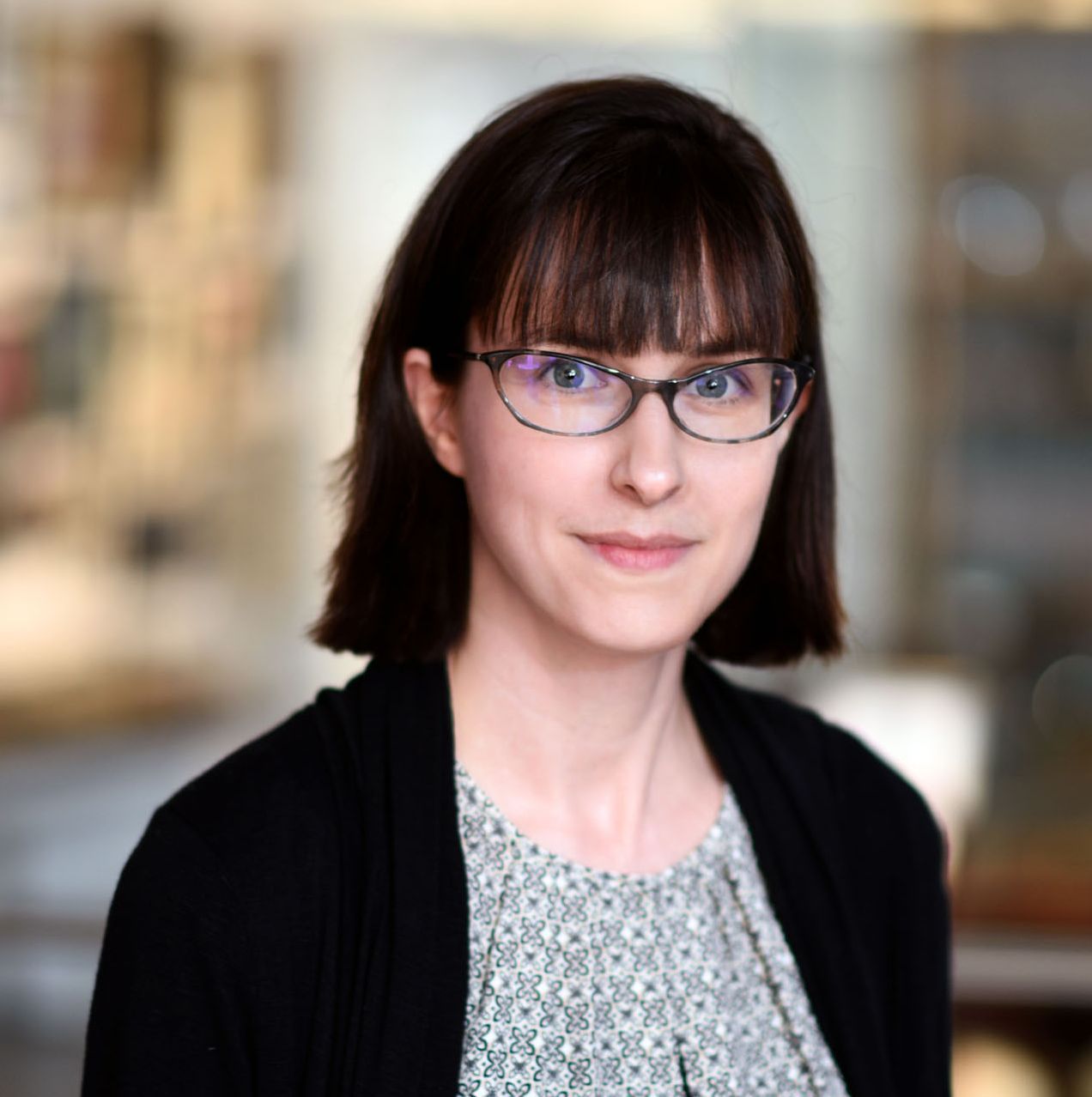
Dr. Lindsay Burrage is a tenured associate professor in the Department of Molecular and Human Genetics at Baylor College of Medicine. She is board-certified in pediatrics, clinical genetics and biochemical genetics, and she serves as an attending physician in the Inborn Errors of Metabolism and Skeletal Dysplasia clinics at Texas Children’s Hospital.
She earned her Bachelor of Science in 2000 from Tulane University before pursuing a combined medical and graduate training at the Case Western Reserve University School of Medicine, earning both a Doctor of Medicine and a Doctor of Philosophy in 2008. She then completed a pediatric residency at University Hospitals/Case Medical Center (Rainbow Babies & Children’s Hospital) in Cleveland in 2011. Drawn to the diagnosis and treatment of rare genetic disorders, she came to Baylor College of Medicine to complete a medical genetics residency in 2013 and a biochemical genetics fellowship in 2014. This combination of rigorous clinical and research training laid the foundation for her career as a physician-scientist focused on rare genetic and metabolic diseases.
Dr. Burrage has built highly specialized expertise in multiple areas, including medical genetics, biochemical genetics, rare diseases, precision medicine and skeletal dysplasias. Her research focuses on understanding the long-term complications of inborn errors of metabolism and developing new therapeutic approaches, particularly for disorders such as urea cycle defects. She studies these rare inherited metabolic disorders not only to help affected patients but also to gain understanding of broader biological processes that are relevant to more common diseases.
Dr. Burrage is particularly notable for her pioneering preclinical work on arginase deficiency, a rare inherited disorder and one of the most challenging urea cycle disorders to treat. She was the first to demonstrate that recombinant arginase enzyme therapy could successfully treat the disease in animal models, findings which directly contributed to the development of the first FDA-approved treatment for patients with arginase deficiency.
She is a long-standing leader of the Urea Cycle Disorders Consortium and serves as a multi-principal investigator of the National Institutes of Health (NIH)-funded Rare Organic Acidemias Research Consortium. In addition, she is a leader of the Genomic Discovery Team at Baylor for the Undiagnosed Diseases Network and is a principal investigator of the NIH-funded Center for Precision Medicine Models at Baylor.
Through this work, Dr. Burrage has become nationally and internationally recognized as a star clinician and translational researcher aimed at ending the diagnostic odyssey for patients with rare and undiagnosed conditions. Collectively, these efforts have contributed to the discovery of more than 25 novel disease genes or phenotypic expansions.
Dr. Burrage has authored over 120 peer-reviewed publications and book chapters. Her work has been recognized locally with the Power of Professionalism Award and the Lawrence Family Service Award at Baylor College of Medicine. Nationally, she has received the Burroughs Wellcome Fund Career Award for Medical Scientists and the Society for Pediatric Research Young Investigator Award. She serves on the medical advisory board of the National Urea Cycle Disorders Foundation and the Scientific Advisory Board of the Maple Syrup Urine Disease Family Support Group. She is also a member of the Board of Directors for the Society for Inherited Metabolic Disorders and recently completed a term as chair of the Therapeutics Committee for the American College of Medical Genetics and Genomics.