
Each year, Baylor College of Medicine hosts the Henry J.N. Taub & James K. Alexander Medical Student Research Symposium, an event where medical students present original research in clinical, basic science, and health system science disciplines. During Alumni Reunion, we are proud to spotlight this year’s award-winning presenters—offering alumni a chance to engage with the next generation of physician-scientists and the impactful work shaping the future of medicine.
Click here for the full schedule of Reunion events.
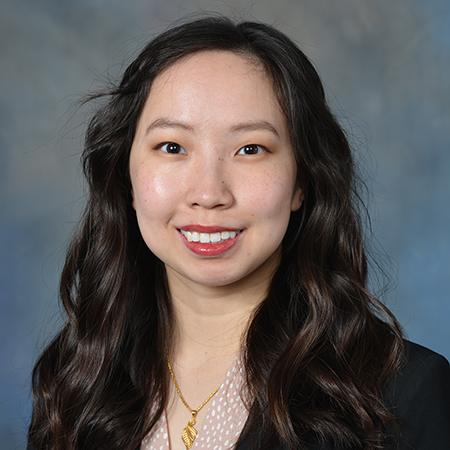
Development of a mechanistic computational model of aqueous humor fluid dynamics in the anterior chamber and evaluation of how the spaceflight environment may alter flow organization.
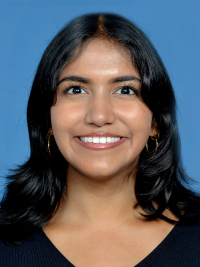
Using electronic medical record (EMR) data from a Level IV NAEC epilepsy center, we analyzed trends in clinic growth, treatment patterns, and patient complexity over an 11-year period (2013–2023). Using EMR reporting tools, we examined visit frequency, antiseizure medication prescription patterns, and neuromodulation use among over 5,000 patients. We also developed a simple annual complexity score based on visit frequency and medication burden to identify patients with more complex epilepsy who may benefit from closer monitoring or advanced treatments.
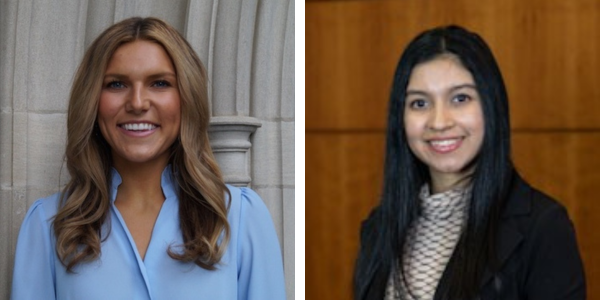
Incarceration is a critical social determinant of health that negatively affects current and long-term health. Additionally, the COVID-19 pandemic led to far-reaching effects on incarceration rates and duration. However, there is a shortage of data on ophthalmic care accessibility during incarceration, including in the context of the COVID-19 pandemic. Hence, we performed a retrospective chart review of patients who presented to the Harris Health System ophthalmology department between 2018 – 2023 during incarceration to understand the trends in ophthalmic follow-up care during incarceration, including across the COVID-19 pandemic.
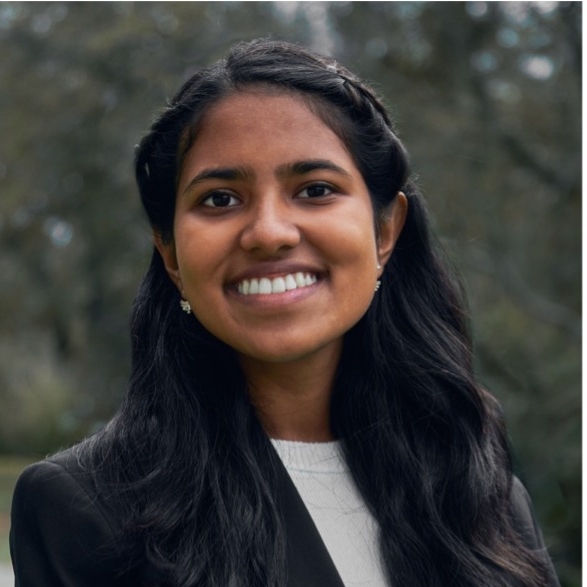
When a patient is deemed incapable of making their own medical decisions, surrogate decision-makers (SDM) are entrusted with life-altering decisions. However, only 35% of US patients report completing medical power of attorney (MPOA) documentation. In Texas, patients without MPOA documentation are assigned to an SDM per a legal hierarchy. Our study finds that almost one in three preoperative patients at Houston-area hospitals would choose a different surrogate decision-maker from their legally indicated SDM.

Our project utilizes genetic and multi-omic data from in vitro and human data to propose IFIH1 as a therapeutic target in psoriasis. First, we demonstrate that IFIH1 possesses a genetic series like that of approved drug targets PCSK9 and TYK2. Next, in vitro analysis in HaCaT cells demonstrates an increase in IFIH1 mRNA following 48 hours of TNF-alpha stimulation, along with an increase in downstream neutrophil-signaling cytokine CXCL8. Finally, analysis of RNA-sequencing data from human clinical trial data demonstrates that brodalumab-resistant patients have elevated IFIH1 and CXCL8 signaling, suggesting the presence of IFIH1-driven, targetable residual inflammatory signaling in these patients.
We facilitated focus groups and qualitative analysis to assess how adults from diverse racial and ethnic groups in Houston use and trust the Internet and artificial intelligence (AI) for health information. We found that trust in healthcare and one’s digital health usage seem to be related in racial groups, and that AI and the internet are viewed as accessible, cheap, comfortable, and convenient. There is, however, shared hesitance towards AI integration in its current version related to limited digital and medical literacy. To mitigate disparities, future AI/internet-based technology & resources needs to include adequate support (e.g., training, provider touchpoints) and integration of tools into current systems and processes.
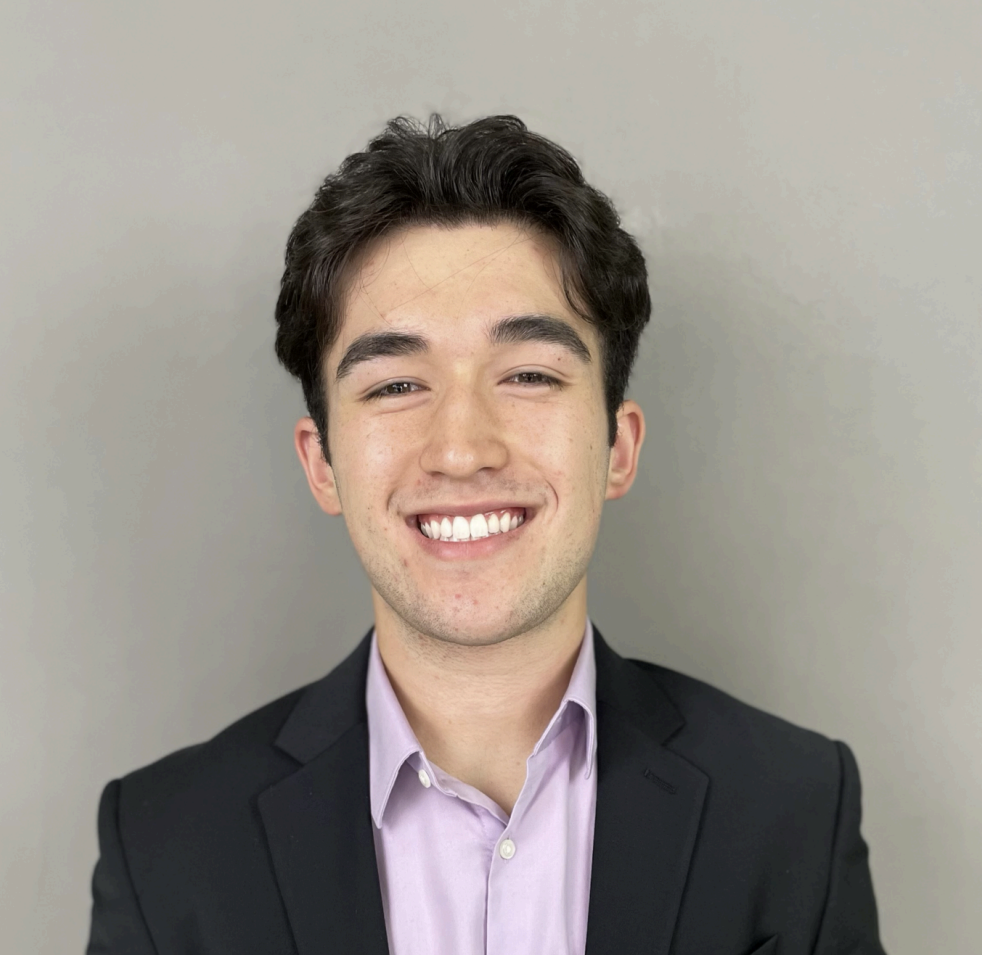
Epilepsy is prevalent among veterans due to service-related traumatic brain injuries. The Cefaly® device, FDA-approved for migraine management, provides non-invasive transcutaneous stimulation of the trigeminal nerve and is hypothesized to influence seizure pathways similarly to other neuromodulatory interventions without the need for invasive surgery. Our objective was to evaluate the efficacy of external trigeminal nerve stimulation with Cefaly® in reducing seizure frequency in veterans with drug-resistant epilepsy and assess its impact on their quality of life.
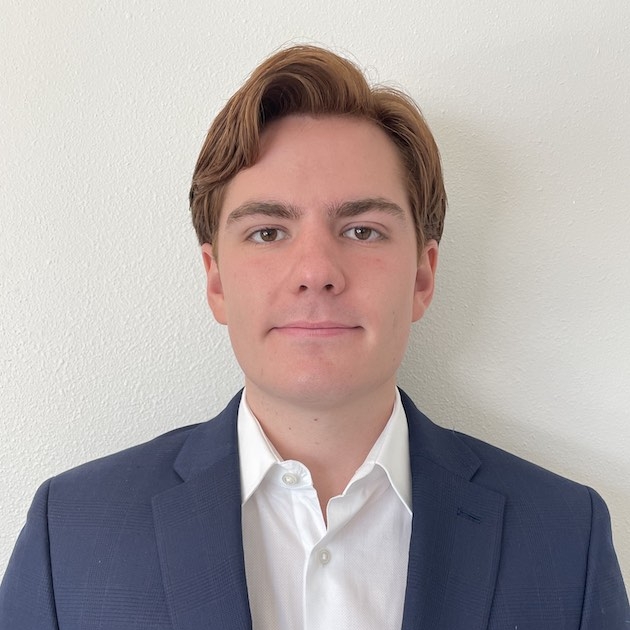
This study assessed the effectiveness of low-cost, self-directed AHA CPR Anytime kits in improving CPR knowledge and confidence among participants in a Harris County youth sports program. Results from 34 participants showed significant improvements in both knowledge and confidence, with comparable gains across adults and adolescents, supporting the kits as a scalable training solution for youth sports settings.
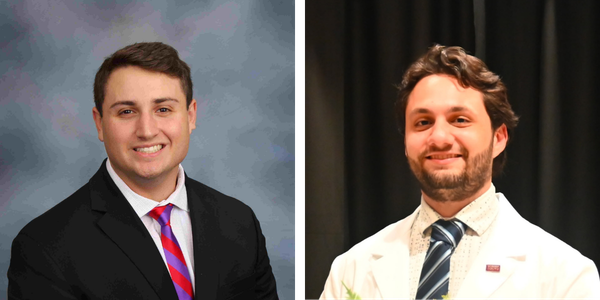
We aimed to determine whether individualized neuromodulation strengthens brain networks involved in swallow motor and sensory control, with the long-term goal of improving neurorehabilitation for dysphagia in patients with head and neck cancer.