

Professor, Departments of Neurology and Neuroscience
Director, Curriculum
Baylor College of Medicine
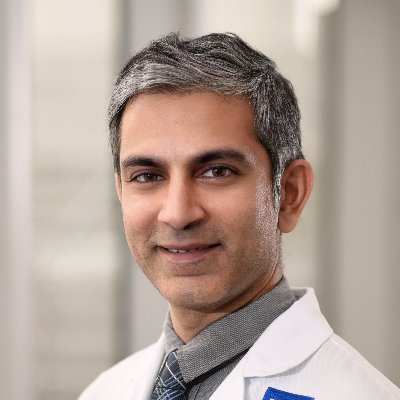
Dr. Maheshwari is a professor of Neurology and Neuroscience at Baylor College of Medicine. He also sees patients at Baylor St. Luke’s Medical Center, Harris Health Smith Clinic and Ben Taub Hospital. After earning his medical degree at Baylor, he completed his residency at Harvard Medical School and returned to Baylor to pursue a research fellowship under Jeffrey Noebels, M.D., Ph.D. Dr. Maheshwari’s research in cortical neurophysiology has earned him prestigious grants and awards, including the National Institute of Neurological Disorders and Stroke K08 Career Development Grant. In addition to serving as course director for the medical degree curriculum’s Nervous System Course and as program director for the Clinical Neurophysiology Fellowship Program at Baylor, Dr. Maheshwari was appointed as director of Curriculum in 2023 to help usher in a new era of curriculum reform.
President, CEO and Executive Dean
Baylor College of Medicine
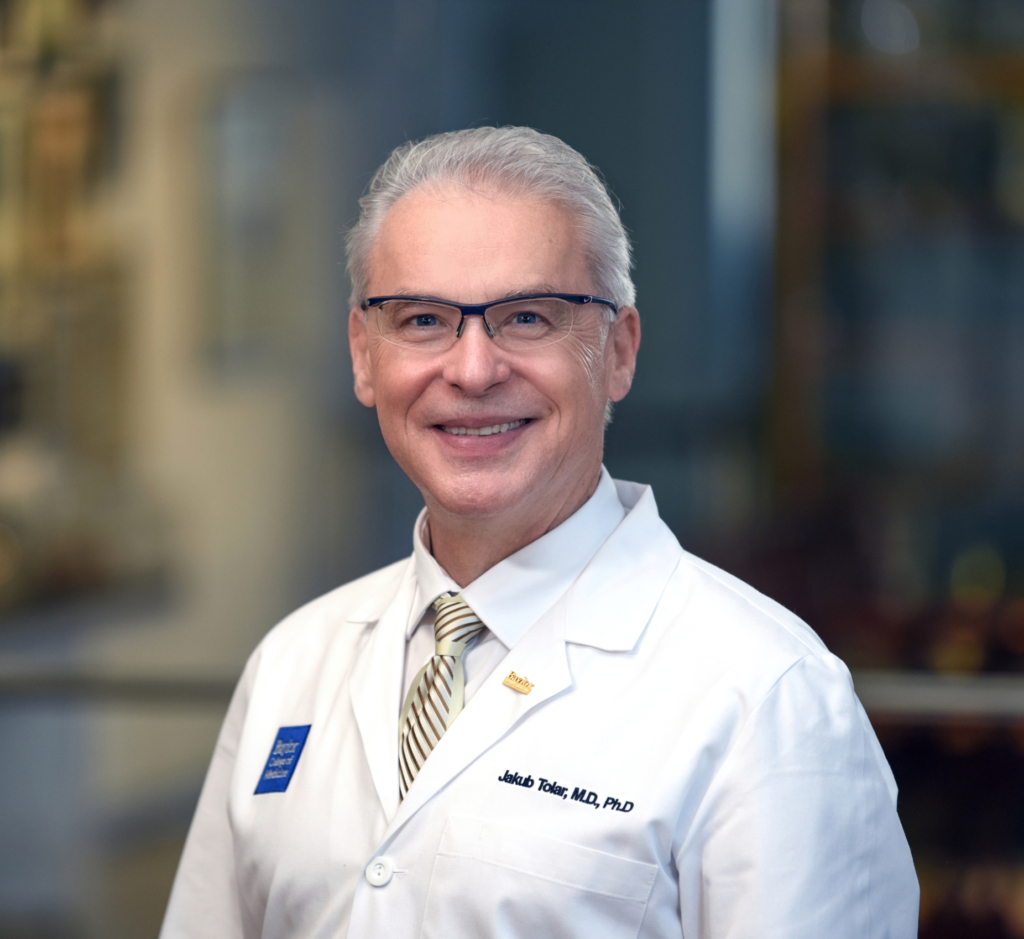
Dr. Jakub Tolar began serving as president, CEO and executive dean of Baylor College of Medicine on June 1, 2026. He brings deep experience as a physician-scientist and academic leader committed to advancing education, research, patient care and community impact.
Dr. Tolar served as dean of the University of Minnesota Medical School and vice president for Clinical Affairs, where he co-led the M Health Fairview clinical enterprise and guided major initiatives spanning clinical transformation, research growth and public health. An internationally recognized pediatric blood and marrow transplant physician scientist, he is known for pioneering work in cellular and gene-based therapies for rare genetic disorders, including recessive dystrophic epidermolysis bullosa. He has been an NIH-funded investigator for more than 20 years and has authored more than 250 peer-reviewed publications.
Originally from the Czech Republic, Dr. Tolar earned his M.D. from Charles University in Prague and his Ph.D. from the University of Minnesota. Dr. Tolar enjoys educating and mentoring new physicians and is active in many professional societies. He is a strong advocate for cooperation and communication within clinical and research communities. Outside of work, Dr. Tolar spends time with his wife, children and grandchildren. He enjoys reading, listening to opera, kayaking and CrossFit training.
At Baylor College of Medicine, he oversees the institution with total research funding of $683 million. In 2026, U.S. News & World Report ranked Baylor as one of the 16 Tier One Research Intensive Medical Schools in the nation. The School of Health Professions and the Graduate School of Biomedical Sciences are also highly regarded nationally. Baylor is also home to the first National School of Tropical Medicine in North America. He also oversees more than 10,000 employees, 3,500 students, residents and fellows, and is responsible for the Baylor medical staff at Baylor St. Luke’s Medical Center, Texas Children’s Hospital, the DeBakey VA Medical Center, Ben Taub Hospital and its affiliated clinics, the Menninger Clinic and the Children’s Hospital of San Antonio. The enterprise revenue is over $2 billion with net assets of approximately $2 billion.

Director and Professor, Dan L. Duncan Comprehensive Cancer Center
Senior Associate Dean, Cancer Programs
The John M. O’Quinn Foundation Chair in Cancer
Baylor College of Medicine
As a physician-scientist, Dr. Reddy does both bench and translational research, his work is focused on understanding the role of immune cells in blood diseases, cancer and transplantation. His groundbreaking research is supported by funding from the National Institutes of Health, the Leukemia and Lymphoma Society, and other foundations.
Dr. Reddy was born and raised in India. He earned his medical degree from Osmania University in Hyderabad in 1994 then came to the United States where he completed a residency in internal medicine at the University of Missouri in 1998. Following the completion of fellowships in hematology/oncology and bone and marrow transplantation at the University of Michigan, he joined the U-M faculty in 2002 and began to co-direct the Bone Marrow Transplant Program and the Hematologic Malignancies Program since 2011. He served as the Chief of the Division of Hematology/Oncology and Deputy Director of the Rogel Cancer Center at University of Michigan until September 2022, when he joined Baylor College of Medicine as the Director of the Dan L Duncan Comprehensive Cancer Center in Houston, Texas. He is the author or co-author of over 250 peer-reviewed journal articles and book chapters. Dr. Reddy has received many honors, including the Jerome Conn Award from department of medicine, awards from national societies including the election to honorary societies such as American Society of Clinical Investigation (ASCI), Association of American Physicians (AAP), and American Clinical and Climatological Association (ACCA). He holds leadership roles in multiple scientific committees and served as the immediate past-President of the American Society of Transplantation and Cellular Therapy (ASTCT), scientific committees of the American Society of Hematology (ASH), NIH panels. He is the Deputy Editor of JCI Insight, and Associate Editor for the journals Hematologica, Transplantation and Cellular Therapy.
In the laboratory, Dr. Reddy focuses on the immunobiology of graft-versus-host disease (GVHD), a devastating immune response that can occur after a stem cell or bone marrow transplant in which the newly transplanted donor cells attack the transplant recipient’s body. Dr. Reddy hopes to translate the knowledge he gains through his research into powerful, lifesaving treatments for patients everywhere. His research has been continuously funded by the NIH with multiple grants for over 20 years.
Dr. Reddy and his wife, Dr. Madhulata Reddy have two sons: Sidharth and Saahith.
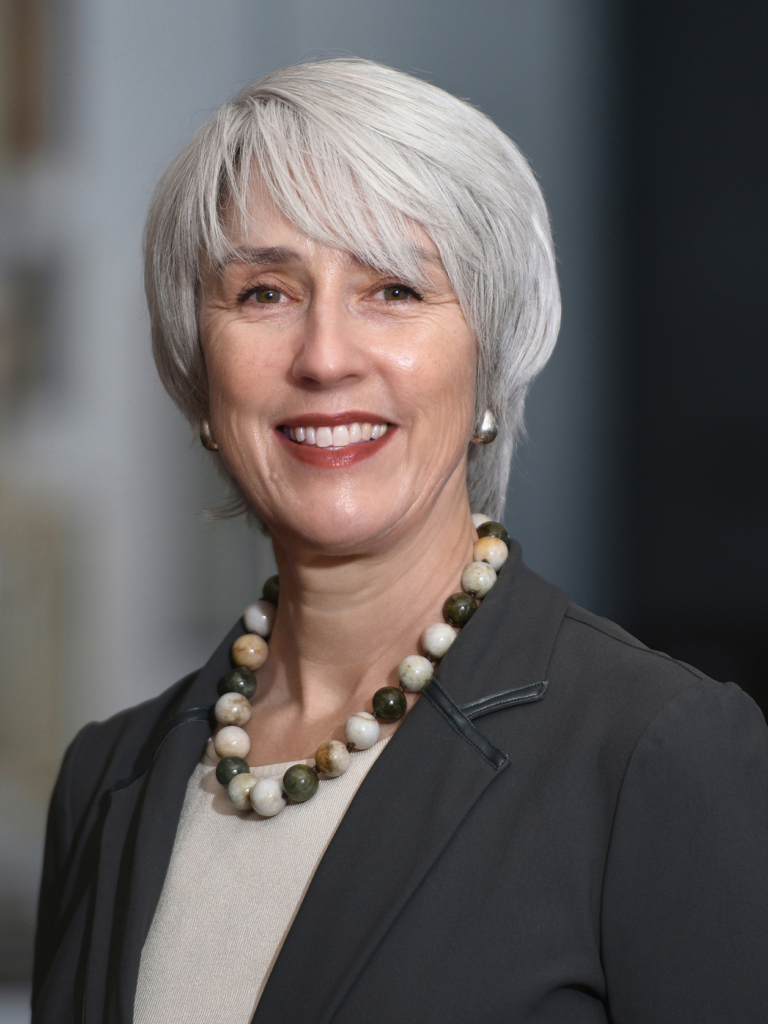
Professor and Chair, Department of Molecular and Cellular Biology
Director, Stem Cells and Regenerative Medicine Center
Member and Co-Leader, Cancer Cell and Gene Therapy
Thomas C. Thompson Chair in Cell Biology
Baylor College of Medicine
Margaret (“Peggy”) Goodell is professor and chair of the Department of Molecular and Cellular Biology and director of the Stem Cells and Regenerative Medicine Center at Baylor College of Medicine. Dr. Goodell’s research focuses on the mechanisms that regulate hematopoietic stem cells and their dysregulation in malignancies, particularly DNA Methyltransferase 3A (DNMT3A). Dr. Goodell is a member of the National Academy of Medicine, the National Academy of Sciences and the American Academy of Arts and Sciences. She is a recipient of the Tobias Award from the International Society for Stem Cell Research, the Dameshek Prize from the American Society of Hematology, and the Edith and Peter O’Donnell Award in Medicine from TAMEST. Dr. Goodell is chair of the Scientific Advisory Board of Keystone Symposia and a member of the Board of Directors. She is a former president of the International Society for Experimental Hematology. Dr. Goodell currently serves on the editorial boards of Cell Stem Cell and Cancer Cell, and she has served on the editorial board of PLoS Biology as well as an associated editor of Blood. Dr. Goodell directs a laboratory of about 15 trainees.
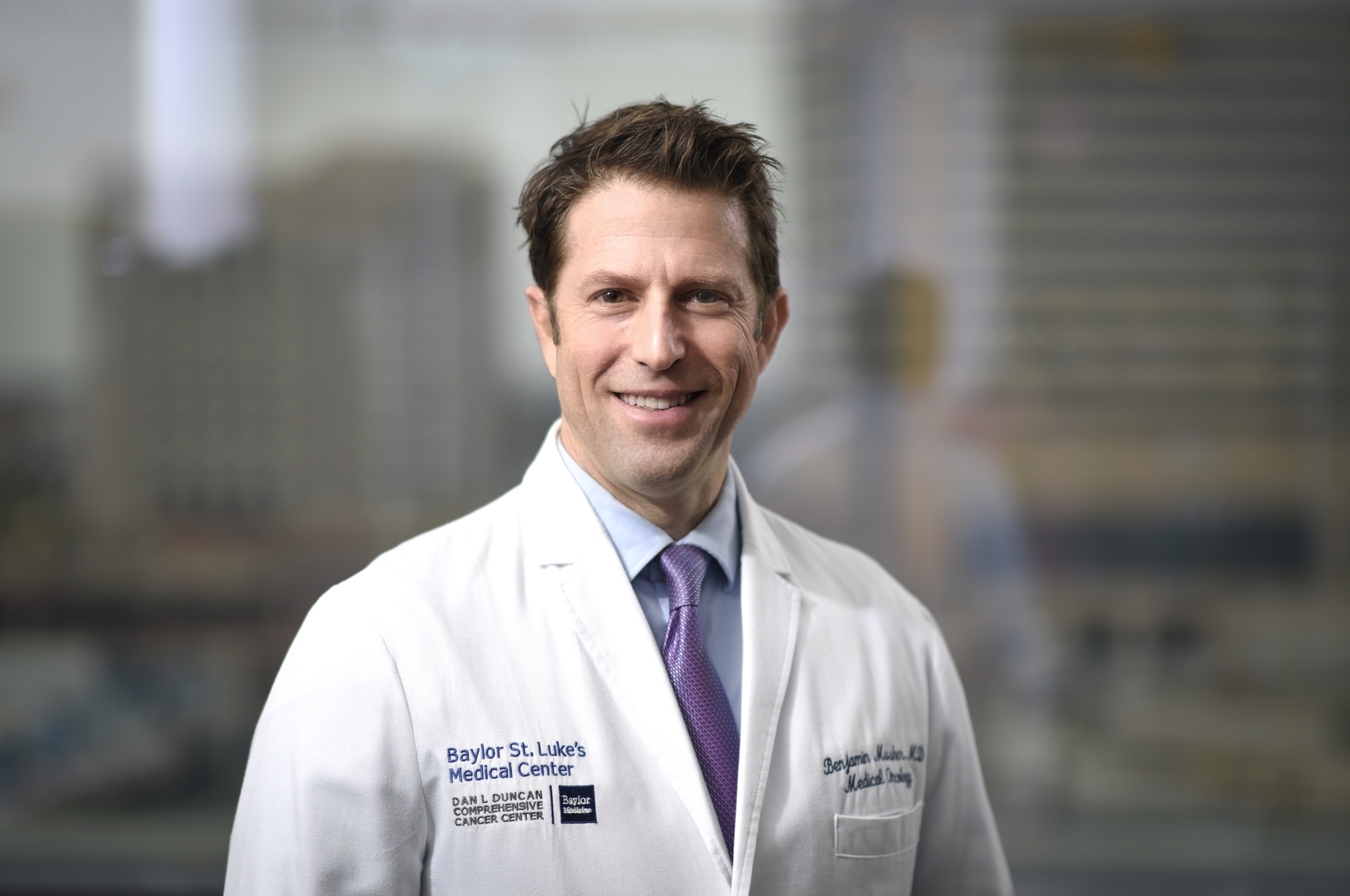
Gastrointestinal Medical Oncology
Professor of Medicine
Barry S. Smith Endowed Professor of Pancreatic Malignancies
Dan L. Duncan Comprehensive Cancer Center
Baylor College of Medicine
A native Houstonian and graduate of the St. John’s School, Benjamin Musher MD, Professor of Medicine at BCM, earned his bachelor’s degree from Harvard University in 1995 and MD from Baylor College of Medicine in 2000. He ventured out west to the University of Washington for Internal Medicine residency and then made the long trip eastward to Philadelphia for his fellowship in Hematology-Oncology at the University of Pennsylvania, which he completed in 2008. During his time at U Penn, he became interested in immunotherapy for GI cancers and worked in the laboratory of Carl June. Dr. Musher was recruited back to Houston in 2009 to build a GI cancer program at Baylor’s nascent Dan L Duncan Comprehensive Cancer Center (DLDCCC).
Since joining the BCM faculty, Dr. Musher has treated thousands of patients with gastrointestinal malignancies at Baylor St. Luke’s Medical Center and Ben Taub Hospital, built multidisciplinary clinical and research programs at both sites, conducted almost 50 clinical trials, and educated/mentored hundreds of learners of all levels. His specific academic interest is novel targeted and immune therapies for pancreatic cancer, resulting in publications in Lancet Oncology, Nature Medicine, and New England Journal of Medicine. Due to the growth of Baylor’s pancreatic cancer program, BCM is now part of the Pancreatic Cancer Action Network Precision Promise consortium and the Canopy Cancer Collective, which foster collaboration among NCI-designated cancer centers dedicated to improving outcomes in pancreatic cancer through innovative research and optimization of multidisciplinary care. Since 2024, Dr. Musher has also served as inaugural director of the Alkek Center for Experimental Therapeutics, the DLDCCC’s Phase 1 program. In recognition of his clinical work, Dr. Musher has received Baylor’s Rising Star Award and mid-career Star Award for Excellence in Patient Care, and he has been perennially recognized as a “Super Doctor” by Texas Monthly and as a “Top Doctor” by Houstonia. In recognition of his dedication to teaching, Dr. Musher been recognized as Oncology Faculty Educator of the Year nine times.
Outside of work, Dr. Musher enjoys spending time with his family (wife, 4 children, 2 dogs), travelling, exercising (baseball, tennis), playing the violin/viola, and fly fishing.